

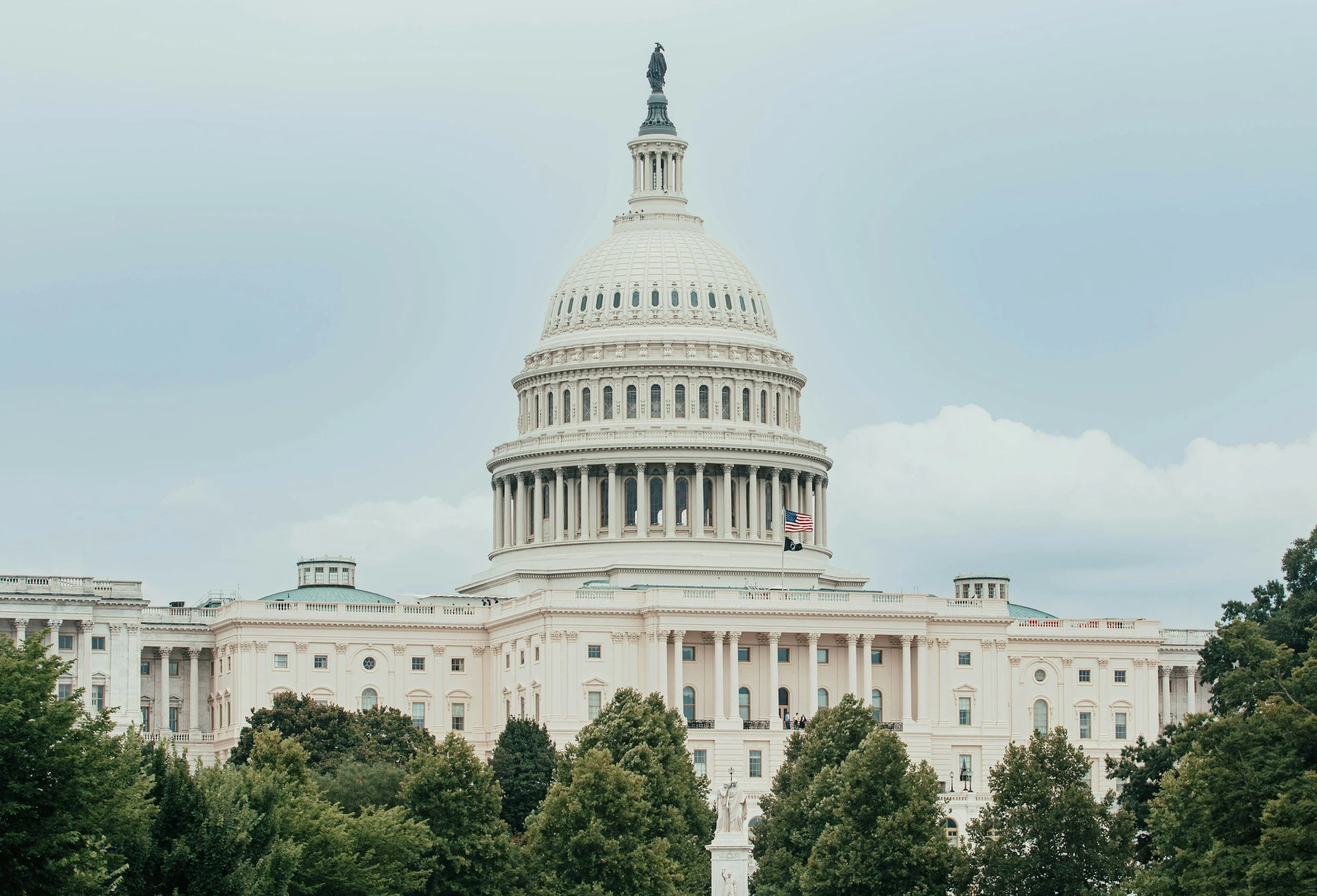
Congressional Crypto Investigations After the 2026 Midterms: Subpoenas, Insider Trading, and Defense
Democrats say Trump-linked crypto ventures, including World Liberty Financial and 1789 Capital, will be early targets if they win the House or Senate in November 2026. Former DOJ fraud prosecutors explain which committees would investigate, how subpoenas, depositions, and referrals work, why insider trading and market manipulation are the likeliest criminal theories, and which defenses executives, companies, and witnesses can use.

Empower Pharmacy FDA Warning Letter: What It Means for Other Pharmacies, Prescribers, Clinics, and Labs
FDA's September 2026 warning letter to Empower Pharmacy finds its compounded tirzepatide and semaglutide products are essentially copies of approved GLP-1 drugs and flags prescriber statements repeated verbatim across many records. Former DOJ prosecutors explain the seizure, injunction, criminal, and kickback exposure for compounders, telehealth platforms, prescribers, med spas, and executives.

CFTC Cash FX Complaint: AI-Washing and a $950M Forex Ponzi
On September 24, 2026, the CFTC sued Cash FX Group, its CEO, a U.S. software vendor, and a Florida promoter, alleging a $950 million MLM Ponzi scheme marketed as AI-driven forex trading. Former DOJ fraud prosecutors analyze the fraud counts, the complaint's untested allegations, AI-washing enforcement at the CFTC and SEC, and the defenses available to each defendant.

Robinhood, Hyperliquid, and Commodities Fraud: Inside the SDNY Insider Trading Complaints
SDNY charged two former Robinhood engineers with commodities fraud and wire fraud for trading Hyperliquid perpetual futures ahead of crypto listing announcements. Former DOJ Fraud Section prosecutors break down the charging theory, the Chastain property problem, the commodity and swap classification questions, and the attribution gaps in the affidavits.
Farmmi, Memecoins, and the Crypto Market Manipulation Gap
A memecoin paired with an unofficial FAMI token preceded a 350% surge in a Nasdaq microcap. Former DOJ prosecutors Scott Armstrong and Drew Bradylyons analyze the wash trading and spoofing statutes, the regulatory gap for spot crypto, and why market manipulation enforcement is poised to return.

Medicare Lab Payment Suspensions: Responding to CMS's $1.6 Billion AI Fraud Crackdown
CMS used AI analytics to suspend 185 labs and revoke 157. How the 15-day rebuttal, the revocation appeal, and the fraud investigation that follows fit together, from former DOJ prosecutors.

Laboratory Fraud Defense 2026: DermTech Settlement & Executive Exposure
Laboratory Fraud Enforcement in 2026: DermTech Settlement, National Takedown Charges, and Criminal Exposure for Lab Owners and Executives.

Crypto AI Fraud Defense: DOJ and SEC Target Fake Trading Algorithms
On August 24, 2026, federal juries in Nevada and California convicted two crypto founders of fraud built on fake AI and trading algorithm claims. The verdicts mark the enforcement theme the SEC and DOJ have named a priority, and they show how these document-heavy cases are fought at trial on falsity, materiality, and intent to defraud.

Compounded Semaglutide FDA Warning Letters: Criminal & FCA Risk
FDA announced 30 warning letters to telehealth companies over compounded semaglutide and tirzepatide marketing on March 3, 2026, then issued 25 more on June 8. One day later, DOJ unsealed a counterfeit Ozempic indictment. Former DOJ Fraud Section prosecutors explain how warning letters become criminal evidence, why False Claims Act and Anti-Kickback cases against compounders and telehealth prescribers are the next phase, and where the defense begins.

FDA Warning Letter to R3 Medical Companies (August 2026): Stem Cell and Exosome Enforcement, CGMP Charges, and Criminal Exposure
FDA posted its August 2026 stem cell warning letter to R3 Medical Companies, the enterprise behind R3 Stem Cell and the ReBella product line. Built from facility inspections rather than a website review, the letter charges unapproved drug, unlicensed biologic, and CGMP adulteration violations, cites the company's own social media as evidence, and recites seven years of FDA notice to the same CEO. Former DOJ prosecutors break down what it means for the regenerative medicine industry.
DOJ Fraud Division Priorities: The McDonald Memo (2026)
DOJ's new Fraud Division targets government programs, health care, tax, trade, and corporate fraud. Former DOJ prosecutors break down the McDonald Memo.

Skin Substitute Rebate Programs: How DOJ Builds a Case and Where It Breaks Down
Distributor rebates were standard practice in wound care. Federal prosecutors now charge them as kickbacks and false claims. What DOJ has to prove, and where these cases break down.

DOJ's $25 Million Crypto Forfeiture: Five Civil Complaints, Frozen Tether, No Defendants
On July 21, 2026, the Justice Department filed five civil forfeiture complaints against more than $25 million in cryptocurrency without naming a single defendant. Former DOJ prosecutors examine the Tether wallet freezes, the tracing gaps in the government's own pleadings, and the defenses open to exchanges, traders, and innocent holders.
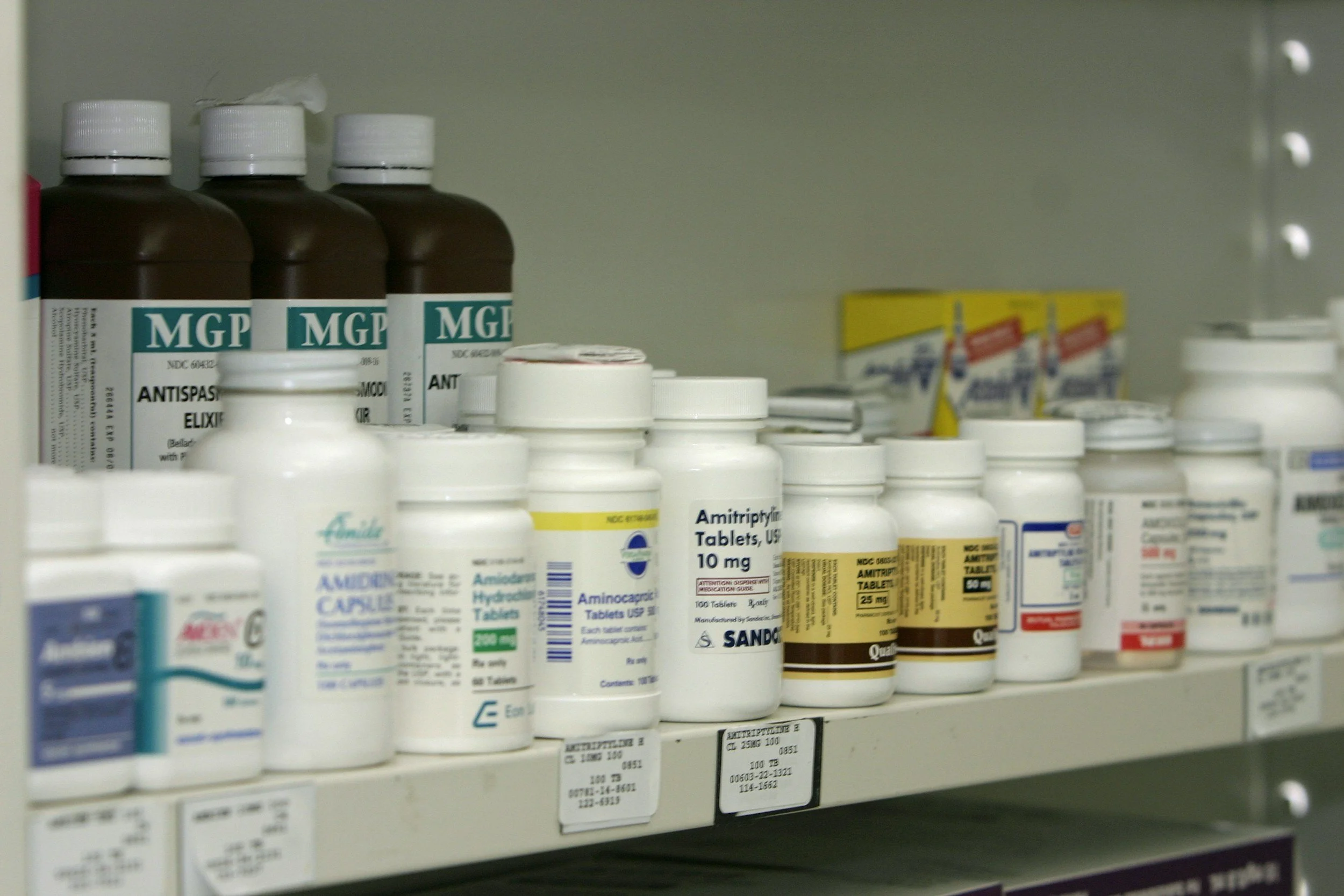
FDA Ketamine Warning Letters: Criminal and Civil Exposure for Ketamine Clinics, Prescribers, and Online Sellers
FDA issued more than a dozen warning letters to online ketamine sellers on June 23, 2026, citing unapproved new drug and misbranding violations. Former DOJ prosecutors explain the criminal exposure under the FDCA and Controlled Substances Act, DEA Immediate Suspension Orders and Orders to Show Cause, the Ruan intent standard for physicians, PAs, and NPs, and the civil exposure that runs alongside.

Money Mule & Bulletproof Hosting Indictments | DOJ & OFAC 2026
In one week, DOJ charged the managers of a $43 million pig-butchering money mule network in Brooklyn, unsealed the Media Land bulletproof hosting indictment, and OFAC sanctioned VPN and cryptor providers. Former DOJ prosecutors break down the indictments, the knowledge element under 18 U.S.C. § 1956(h), infrastructure-provider liability, and where the defense begins.

CFTC Commodity Pool Fraud: The Vernon & Argent Capital Case
The CFTC filed a seven-count commodity pool fraud complaint against Trevor Vernon and Argent Capital Management in the Western District of North Carolina, alleging $14.8 million raised, $8.6 million lost trading futures, options, and crypto, Ponzi-style payments, and false sworn statements to the Commission. Former DOJ Fraud Section prosecutors explain the charges, the CFTC's enforcement priorities, the parallel criminal risk, and where the defense begins.

The AudiA6 Crypto Mixer Case: Money Laundering Charges Under 18 U.S.C. § 1956 and the Attribution Defense
Federal prosecutors charged the operators of the AudiA6 crypto mixer with money laundering conspiracy and sting money laundering after a five-year undercover investigation. The complaint traces $389 million in bitcoin but rests on six undercover transactions with unnamed operators. The central defense is attribution to the named individuals.

Wound Care Fraud Indictments in DOJ's 2026 Takedown: Four Skin Substitute Cases Explained
DOJ's 2026 National Health Care Fraud Takedown charged four wound care fraud cases, United States v. Cardenas, Tesar, Yukee, and McMillan, alleging more than $1.3 billion in fraudulent amniotic allograft claims. Former DOJ Fraud Section prosecutors analyze the charges, the government's theories, and where each indictment is vulnerable.

CMS Payment Suspensions and DEA Immediate Suspension Orders: The Administrative Side of the 2026 Health Care Fraud Takedown
The 2026 National Health Care Fraud Takedown announced 455 criminal defendants alongside 1,079 CMS payment suspensions and a record 928 DEA administrative actions, including 53 Immediate Suspension Orders. Former DOJ prosecutors explain the credible allegation standard, the imminent danger standard, the 30-day answer and expedited hearing rules, and why most targets fold before any tribunal tests the government's evidence.
The FBI Most Wanted Fraudsters List: Fugitive Status, Failure to Appear, and Extradition in Health Care and Crypto Fraud Cases
The FBI's new Most Wanted Fraudsters List produced its first capture in six days and reached fugitives in the Philippines, Kyrenia, and Estonia within three weeks. Former DOJ prosecutors break down what flight costs a defendant: failure-to-appear charges, tolled limitations periods, forfeited assets, and detention on return, in health care fraud and crypto cases alike.