

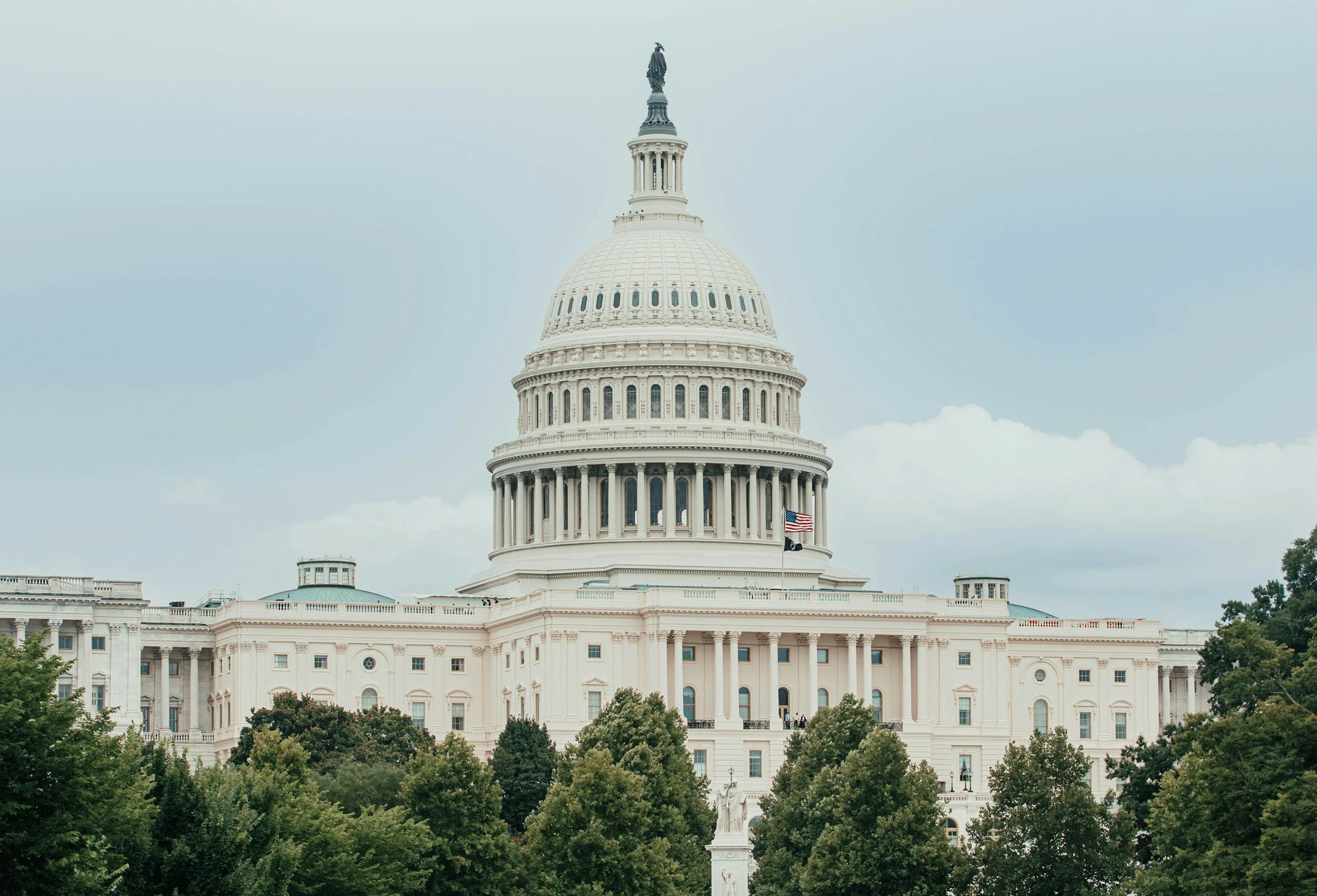
Congressional Crypto Investigations After the 2026 Midterms: Subpoenas, Insider Trading, and Defense
Democrats say Trump-linked crypto ventures, including World Liberty Financial and 1789 Capital, will be early targets if they win the House or Senate in November 2026. Former DOJ fraud prosecutors explain which committees would investigate, how subpoenas, depositions, and referrals work, why insider trading and market manipulation are the likeliest criminal theories, and which defenses executives, companies, and witnesses can use.

Robinhood, Hyperliquid, and Commodities Fraud: Inside the SDNY Insider Trading Complaints
SDNY charged two former Robinhood engineers with commodities fraud and wire fraud for trading Hyperliquid perpetual futures ahead of crypto listing announcements. Former DOJ Fraud Section prosecutors break down the charging theory, the Chastain property problem, the commodity and swap classification questions, and the attribution gaps in the affidavits.
Crypto AI Fraud Defense: DOJ and SEC Target Fake Trading Algorithms
On August 24, 2026, federal juries in Nevada and California convicted two crypto founders of fraud built on fake AI and trading algorithm claims. The verdicts mark the enforcement theme the SEC and DOJ have named a priority, and they show how these document-heavy cases are fought at trial on falsity, materiality, and intent to defraud.

The AudiA6 Crypto Mixer Case: Money Laundering Charges Under 18 U.S.C. § 1956 and the Attribution Defense
Federal prosecutors charged the operators of the AudiA6 crypto mixer with money laundering conspiracy and sting money laundering after a five-year undercover investigation. The complaint traces $389 million in bitcoin but rests on six undercover transactions with unnamed operators. The central defense is attribution to the named individuals.

The 2026 Crypto Crash and the Coming Wave of Investor Fraud Litigation
A crypto crash is not fraud, but it exposes the schemes a rising market hides. This guide explains the civil cases that follow the 2026 collapse, false representations about returns, where assets are held, and risk, plus misappropriation of investor funds, and the loss causation question that decides them. By former senior DOJ officials Scott Armstrong and Drew Bradylyons.